
Medicine safety
How to use medicines safely
Simple habits that help prevent dosing mistakes, interactions and avoidable medicine-related harm.
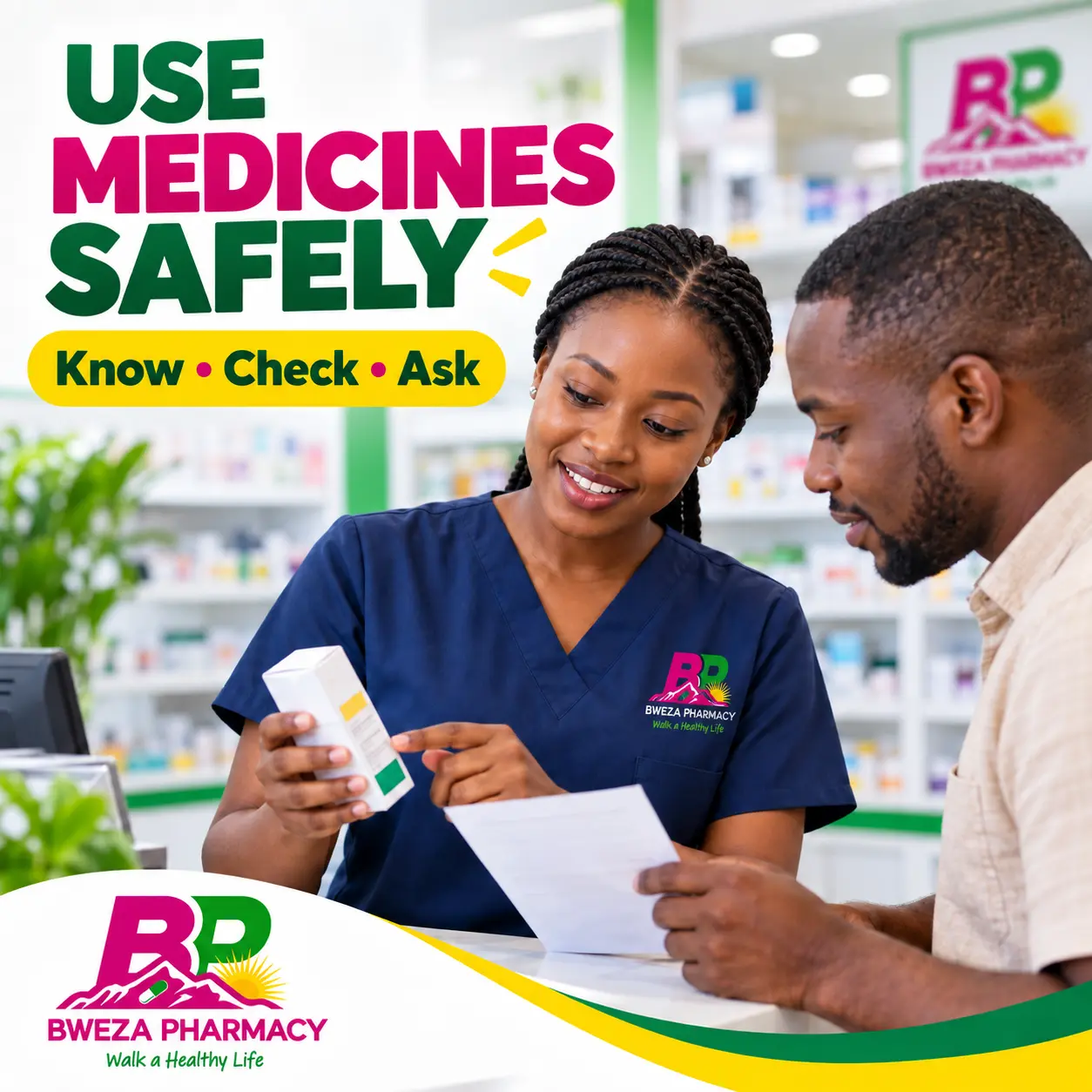
Know, check and ask
Every medicine should have a clear purpose, dose and schedule. Before taking it, know the medicine’s name, why you need it, how to use it and how long to continue.
Ask a pharmacist or prescriber if any instruction is unclear. This is especially important when you take several medicines, have allergies, are pregnant or breastfeeding, or live with a long-term condition.
Build safer habits
- Keep an up-to-date list of prescription medicines, over-the-counter products and supplements.
- Read the label each time and use the correct measuring device for liquid medicines.
- Do not share prescription medicines with another person.
- Store medicines as directed and away from children.
- Check before combining medicines, herbal products or alcohol.
- Return expired or unwanted medicines through an appropriate disposal route.
After a clinic or hospital visit
When treatment changes, compare the new instructions with the medicines you were already using. Ask which medicines have started, stopped or changed, and when your next review is due.
Report problems early
Contact a health professional promptly if you notice a suspected side effect, take the wrong dose or are unsure whether two medicines can be used together. For severe breathing difficulty, collapse, swelling of the face or another emergency, seek urgent medical care.